
Last year’s DANA over the Balearics was a reminder that the Mediterranean weather is becoming more unpredictable.
I’m not sharing this to discourage anyone from chartering. Quite the opposite — awareness is part of safe and comfortable cruising. Naming things helps us understand them.
In July 2024, the sea surface temperature anomaly hit +6°C, adding to a long-term warming trend of 0.4°C per decade in Mediterranean weather — significantly faster than the global average.
The result?
More frequent, more intense marine heatwaves, and weather patterns that shift faster than they used to.
For yacht charters, especially in July–August, that means one thing
Forecast discipline matters.
Apps are helpful, but the real tools are still the classics:
• consistent Mediterrean weather updates (Windy, PredictWind, MeteoMarine)
• VHF weather channels
• regional meteorological bulletins
• and above all:
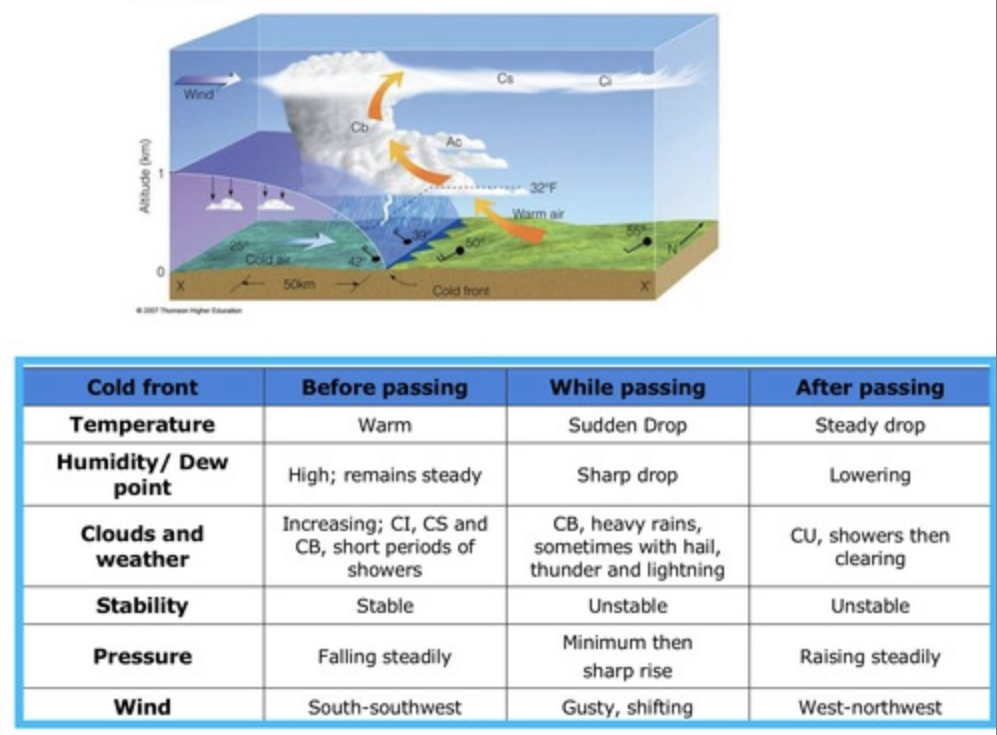
barometric pressure, wind shifts, cloud formation, observation
A Week of Sailing That Turned Into a Masterclass in Weather Awareness.
At the end of July 2024, I skippered a Dufour 56 along northern Sardinia, La Maddalena, and the southern coast of Corsica.
Perfect weather at first.
25–35°C.
Light to fresh breeze, 8–20 kts.
But day by day the clouds thickened, pressure dropped, and the wind became unstable, shifting 90–120° within minutes.
At some point I simply said:
“Okay… this is going to blow.”
Punta Coda Sardegna — the wrong place on the wrong night
We stopped in the cove near Punta Coda Sardegna — beautiful, calm, tempting. My crew was convinced it’s the perfect overnight spot. Two hours later I told them we had to move.
Too unstable. Too exposed to the incoming squall line.
Porto Palma — crowded, but safe
We crossed to the other side, to Porto Palma, a bay offering 270° protection and a wide sandy bottom. Not as romantic, definitely busier — but safe.
Sometimes that’s the point.
At 22:00, after the latest forecast update, I stayed on standby.
I opened Blitzortung.
One look was enough:
It would be a short night.
At 23:00 the storm arrived — a huge NW wall cloud rolling over the ridg
How I prepared the yacht
• paid out an extra 10–15 meters of chain
• rigged a proper chain snubber to absorb shock loads
• secured everything topside
• tied additional sail gaskets
• prepared headlamps, VHF, gear
• briefed the crew on emergency scenarios
• kept the engine running in neutral to support the anchor if needed
00:30 — the hit
A sudden 40–45 kts squall ripped two catamarans off their anchors.
Our anchor alarm and transit marks showed a drift of only 10–15 meters.
That’s nothing in such conditions.
I imagined what would have happened if we had stayed at Punta Coda.
It wouldn’t have been pleasant.
By 01:30 it was over.
I sent the crew to sleep.
I stayed by the helm — as every responsible skipper would.
Why This Story Matters for Yacht Charters
Because the Mediterranean weather is no longer only “sun, warm breeze and turquoise bays.”
It’s still paradise — but one that requires respect, preparation, and the ability to read weather beyond the forecast app. That’s why professional support matters during a charter.
That’s why experience makes a difference.
And that’s why I treat safety and comfort as the foundation of every itinerary.
Do you know what a chain snubber is?
It’s a small, simple piece of equipment that:
• absorbs shock loads during gusts,
• relieves tension from the windlass,
• stabilizes the boat at anchor,
• and can be the reason your yacht doesn’t drag when the gust hits 45 knots.
For many charter guests this is just a rope with a hook.
For a skipper — it’s peace of mind.